

• Home
  • Articles
  • Podcast
  • Shop
  • Beauty
  • Diet
  • Body
  • Wellness
  • About Us
0
Printable planners, trackers and Notion templates for your health goals, plus articles on animal-based nutrition, beauty and wellness.
  • Home
  • Articles
  • Podcast
  • Shop
  • Beauty
  • Diet
  • Body
  • Wellness
  • About Us
Printable planners, trackers and Notion templates for your health goals, plus articles on animal-based nutrition, beauty and wellness.
0
Printable planners, trackers and Notion templates for your health goals, plus articles on animal-based nutrition, beauty and wellness.
Natural Beauty

How to Repair a Damaged Skin Barrier (and Stop Making It Worse)

Joané Hart
No Comments
October 22, 2026
6 Mins read
17 Views
How to Repair a Damaged Skin Barrier (and Stop Making It Worse)

The biggest mistake when your skin gets angry is being aggressive with it, and that is how a skin barrier gets damaged. For decades the advice for breakouts was the same: dry out your breakouts, exfoliate, put alcohol on them, and try all the other really harsh treatments that people use. That advice strips the skin barrier and can actually increase breakouts. The good news is that you can repair a damaged skin barrier.

What Is a Damaged Skin Barrier (and How Do You Know If You Have One)?

Your skin barrier is the outermost layer of your skin. Its job is to hold water in and keep irritants out. It’s built from ceramides, cholesterol and fatty acids. In a 1997 study, a lipid mix that contained cholesterol as its biggest part helped aged mouse skin improve and six older adults recover faster. It was lab work and not a moisturizer trial, but it shows the barrier needs more than one lipid. If your skin is stinging, tight or flaky right now, the quickest path to relief is to moisturize, hydrate, nourish and treat your skin.

The Everyday Habits That Are Quietly Damaging Your Skin Barrier

Your skin doesn’t want aggressive treatments, whether you’re trying to fight the signs of aging or persistent breakouts. The thinking goes, “If I take these layers off, my skin will grow back better,” and that’s just not true. Dermatologists at the American Academy of Dermatology warn that over-exfoliating can increase redness and breakouts. It doesn’t help to put the best moisturizer on your skin if you keep stripping it with harsh scrubs or chemical peels beforehand, or keep scratching and picking at it.

Hot water is one of the easiest ways you can damage your skin without realizing it. This might be a painful sacrifice for those who enjoy their baths extra hot, but it strips your skin and can damage your skin barrier. The American Academy of Dermatology recommends warm water and baths or showers of five to ten minutes. 

Here Are Things You Can Do to Repair Your Skin Barrier

To repair your skin barrier, you need to treat your skin with love. Nourish it, hydrate it and be gentle with it.

1. Give Your Skin a Break: Stop Exfoliating and Avoid Hot Water

  • Stop exfoliating for a while and give your skin a break.
  • Back off, let your skin calm down. If you want, you can use an ice roller so it soothes your skin.
  • Wash gently with water. No harsh soaps, nothing that will strip the oils.
  • Keep the water warm, not hot, and keep showers and baths short.

2. Give Your Skin the Moisture It’s Been Missing

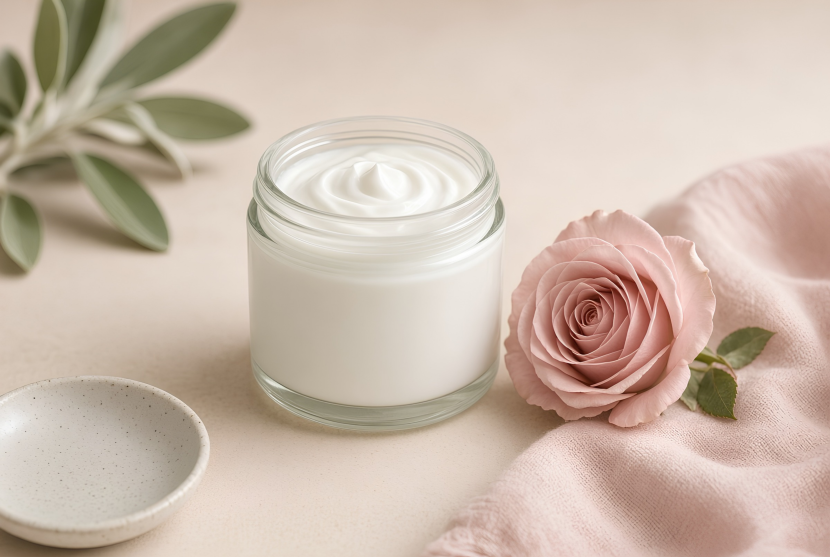
Layer on the moisturizer. When your skin barrier is damaged, it can’t hold on to water the way it’s supposed to. A good moisturizer helps lock in moisture and gives your skin a chance to heal. Find a fragrance-free moisturizer that works for sensitive skin. The last thing you need is a moisturizer with any skin-irritating ingredients. 

A good option is a tallow-based moisturizer. Many people find it feels like it actually sinks in rather than sitting on top of the skin. Tallow is rich in fatty acids, like stearic and oleic acid, which are similar to the fats your skin barrier is made of. Applying it regularly can help soften your skin and keep it from drying out while it heals.

When you buy skincare, look out for ceramides. They can be very beneficial when you’re trying to repair skin barrier damage. Ceramides are the fats that make up a big percentage of your skin barrier and help hold your skin cells together. A moisturizer with ceramides can help rebuild what was lost and keep any moisture from escaping. 

3. Add a Barrier Cream at Night: Try a Zinc-Based Diaper Rash Cream

Add a barrier cream at night. Bum cream or diaper rash cream is a popular recommendation for skin barrier damage. 

Moms around the world know the power of a good bum cream. It works wonders for babies and now we know that putting it on your own face is one of the best beauty hacks out there. 

Look for a zinc-based one, especially for barrier repair. Zinc oxide creates a protective layer on top of your skin that helps keep moisture in and irritants out. It also has a calming, anti-inflammatory effect that can help irritated skin heal.

Some diaper creams contain dexpanthenol, a form of vitamin B5. In a 2002 randomized trial, a dexpanthenol cream helped the skin barrier repair faster and reduced redness compared with a plain cream after skin was irritated with a detergent. Check the label first, because some creams contain lanolin, mineral oil, wax or fragrance that can irritate your skin or clog pores. Do a patch test before you put it on your face, and keep it away from your eyes and any open cuts. 

If you only have 30 seconds for a skincare routine at night: get some diaper rash cream, put a thick coating on your face before bed and then watch what it does for your skin. 

4. Feed Your Skin From the Inside Out: Eat Enough Fat and Protein

Your diet is very important for skin barrier repair. If you’re not hydrated enough, if you’re not eating enough fat, and if you’re not giving your body the protein it needs for building and repair, how are you going to have a healthy skin barrier and glowing skin?

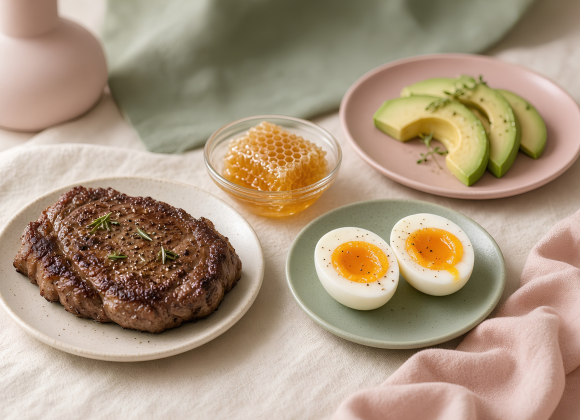
  • The fats we eat help create the lipids in our skin and skin barrier, so if you want healthy, glowing, nourished skin, you need to take care of yourself from the inside out. Your skin barrier is made of ceramides, cholesterol and fatty acids, and your body needs essential fatty acids from food, like omega-3s and omega-6s, to build and maintain it. Fatty fish, cod liver oil, eggs, grass-fed beef and avocado are all good sources.
  • Healthy skin is hydrated skin. Drinking enough water can improve your skin’s hydration. When the outer layer of your skin is dehydrated, it’s more prone to cracking. Keeping your skin hydrated helps it stay soft and flexible. It helps the enzymes your skin uses to make its protective fats do their job.
  • To repair your skin barrier, you have to rebuild what was damaged in a better, healthier way. You need to give your body the amino acids to build the barrier and repair it properly. Amino acids are key, and you get them from foods that contain protein. Your body needs amino acids to make keratin and collagen, which are the proteins that give your skin its strength and structure. Animal proteins like meat, eggs and cheese are all complete proteins, which means they provide all nine essential amino acids your body can’t make on its own.
  • Dietary collagen gives your body building blocks like proline and glycine, which your skin uses to make its own collagen. It can help skin stay hydrated and resilient while the barrier repairs.

More research is needed on how foods affect your skin barrier, so take this as general support.

How Long Does It Take?

It’s possible to already see a difference in the first week of implementing a skin barrier repair protocol, but complete healing and a healthy barrier can take time, especially if your skin has been through some hard times.

Dr. Melissa Piliang at the Cleveland Clinic says it “typically takes three or four months to start seeing the benefits of your efforts.” Find the products that work best for you, put skin barrier cream on, try the ceramides, and give yourself time to heal and glow.

When to See a Dermatologist

See a dermatologist if your skin is painful, weeping or crusting, looks infected, spreads suddenly or isn’t improving after a few weeks of gentle care. Redness and breakouts can also be eczema or rosacea, and those need a proper plan from a professional. This article is general information and not medical advice.

Sources

  • Zettersten et al., Journal of the American Academy of Dermatology, 1997
  • Proksch and Nissen, Journal of Dermatological Treatment, 2002
  • Cleveland Clinic, Skin barrier
  • Cleveland Clinic, Is beef tallow good for your skin?
  • American Academy of Dermatology, Dermatologists’ top tips for relieving dry skin
  • American Academy of Dermatology, Evaluate before you exfoliate (2015)
Shares
Written by

Joané Hart

Joané Hart is the founder of The Hart of Health. She has spent 16 years researching nutrition and wellness, writes about animal-based eating, natural beauty and everyday wellness, and co-hosts The Hart of Health podcast. She holds a BA from the University of Pretoria and a Copy Editing Certificate from the University of Cape Town. Her articles are general information, not medical advice.
Previous Post

29 Bad Diet Tips You Shouldn’t Follow 

Next Post

The Animal-Based Diet: Benefits for Muscle, Skin, Hair and Digestion

About Us

The Hart of Health

The Hart of Health: animal-based nutrition, beauty, and wellness for real, specific seasons of life.

Social Icons
FacebookInstagramPinterestTwitterTikTokYouTube
Most Popular

Can You Build Muscle on the Carnivore Diet?

Can You Build Muscle on the Carnivore Diet? Can you build muscle on a carnivore diet? If you’ve done some research about building muscle, you’ve probably come across the advice that you should eat carbs to help you gain muscle. This advice is pretty mainstream. Bodybuilder diets are often low in fat and high in carbs because they believe the carbs will help them build muscle. Those who don’t have aspirations of becoming bodybuilders and just want to gain muscle to look good and become stronger also typically opt for more carbs. This popular muscle-building diet approach has lead to many fearing that if they go on a low-carb diet like the carnivore diet, they’ll struggle to gain muscle. If you want to try the carnivore diet but you’re worried it will interfere with your goals, then hopefully I can put your mind at ease. How Do You Build Muscle? First, it’s important to understand what is required for your body to build muscle. To build muscle, you need to: Do resistance training and focus on progressive overload, which is when you make exercises harder by doing things like lifting heavier weights, slowing down your tempo, adding reps, and adding sets. Eat enough protein (aim for 1g to 1.2g per pound of body weight) Eat enough calories during the day and aim for maintenance calories or higher. You’ll struggle to build muscle if you're in a calorie deficit. If you prioritize fatty meat on a carnivore diet, it shouldn't be too hard to reach your calorie goals. Prioritise sleep and recovery: proper rest is very important for building muscle and helping your muscles repair. Sleep helps you produce more human growth hormone, which plays an important role in muscle building and strength. Do You Need Carbs to Build Muscle? Many voices in the health and fitness community will tell you that, in order to build muscle, you need to eat enough protein and load up on carbs. The carbs fill your muscles with glycogen for you to use during your workout, and eating carbohydrates can help your performance in the gym. But you don't need to eat carbs to help you build muscle, as long as you consume enough electrolytes, eat enough fat, and provide your body with the calories it needs. When you first switch to a low-carb diet like the carnivore diet and the keto diet, your performance when working out will likely decline for a few weeks while your body adjusts and becomes fat adapted. This is because you lose quite a bit of stored glycogen and you’re body hasn’t switched over to using fat as its main energy source yet. But once you are fat adapted, your performance when training should improve and it will become easier to build muscle. Where will you get glycogen from? Well, your liver produces it. And if you consume more protein than your body needs, it will turn it into glucose through a process called gluconeogenesis. But if you want, you can have carbs on a carnivore diet. I know, I know, many people in the carnivore community don't approve of the consumption of honey and dairy products but these come from animals and can definitely be included in a carnivore diet. So if you want the power of carbs to fuel you for your workouts, why not just have some honey or raw milk? If you can't tolerate dairy (like me), then you can get all the carbs you need from honey. You can be strategic and have your carnivore carbs before you train to give you energy and then again after to help restore the glycogen in your muscles. How Can the Carnivore Diet Help You Build Muscle? So many people who are trying to build muscle don't eat enough protein. You need to eat enough protein so your body gets the amino acids it needs to build muscle. If you've never tracked how much protein you consume in a day, you might be shocked to discover that you're not close to your protein goal of 1g to 1,2g protein per pound of body weight. If you're on a carnivore diet, you can easily get to your daily protein goal. Before I started doing The Lion Diet in January for World Carnivore Month, I struggled to reach my protein goals, but then once I started doing the carnivore diet, it became incredibly easy to reach this goal. Meat also provides you with a lot of creatine. Many people who are trying to build muscle will supplement with creatine because creatine helps give muscles more energy. Your levels of phosphocreatine will increase when you consume creatine, which your body then uses to make adenosine triphosphate (ATP). Creatine is found in meat. You can skip the supplements if you're on the carnivore diet due to the fact that you eat so much meat. A carnivore diet promotes healthy testosterone levels. Testosterone is very important for muscle building. If you consume a lot of sugar at once, it can significantly lower your testosterone levels (link). If you don't consume enough fat, your testosterone levels also won't be optimal since you need fat and cholesterol to produce it. Following a low-carb, high-fat diet like The Carnivore Diet can boost your testosterone levels, which will aid muscle growth. (link) Animal foods like red meat are also great sources of zinc, which your body also needs to produce testosterone. On the carnivore diet, you won't experience blood sugar fluctuations like you would on a high-carb diet. Stable blood sugar levels means stable energy levels, which means you'll perform better during workouts and can train harder. Your chances of experiencing a mid-workout energy dip are much lower on a carnivore diet. The Carnivore vs Vegan Diet The carnivore diet is far superior than the vegan diet when it comes to building muscle. First of all, animal foods are higher in protein than plant sources of protein like beans, nuts, rice and lentils. But, here is the truth. There are 20 amino acids your body needs to build muscle and 9 of them cannot be produced by your body, so you need to get them from your food. Foods that contain all nine essential amino acids are called complete proteins. There are no plant proteins that meet this criteria. You need to combine different plant protein sources (like mixing rice with beans) to get all the essential amino acids. But, meat and other animal sources of protein like cheese, eggs and yoghurt, are complete proteins. There's no combining necessary. Plant foods are also harder to digest. You definitely won't get the most out of the protein you're getting from plants. Meat and eggs are two of the easiest foods for the body to digest and get protein from. If you're on a muscle-building journey, why not try the carnivore diet for a few months and see how it affects your progress. I think it's also a great idea to do it if you were gaining muscle but have now hit a plateau. The carnivore diet could be just what you need to start seeing progress again and build that muscle you're after.

Interview with Lady Carnivory: Health Coach and Carnivore Recipe Developer

Seared steak medallions served on a white plate

Following a Carnivore-Ish Diet: What You Can Eat, the Benefits of an Animal-Based Diet, and More | The Hart of Health Podcast

Following a Carnivore-Ish Diet What You Can Eat, the Benefits of an Animal-Based Diet, and More The Hart of Health Podcast S1 E25
Categories
Animal-Based Nutrition
Natural Beauty
Body & Movement
Holistic Wellness
Featured Posts
Animal-Based Nutrition

The Animal-Based Diet: Benefits for Muscle, Skin, Hair and Digestion

October 22, 2026
Dream Body

29 Bad Diet Tips You Shouldn’t Follow 

May 2, 2022
Animal-Based Nutrition

The Antinutrients and Toxins in Plant Foods

April 25, 2022
Newsletter
Product categories
Animal-Based Diet Cycle Syncing Digital Products Fitness The Carnivore Diet Weight Loss
You might also like
The Animal-Based Diet Benefits for Muscle, Skin, Hair and Digestion
Animal-Based Nutrition

The Animal-Based Diet: Benefits for Muscle, Skin, Hair and Digestion

4 Mins read
October 22, 2026

If you want to build muscle, grow your hair and have glowing, nourished skin, an animal-based diet puts the building blocks on your plate. An animal-based diet puts meat, seafood and other animal foods first. It is basically a meat, dairy and fruit diet, and the amount of carbohydrates included in the diet is up …

29 Bad Diet Tips You Shouldn't Follow 
Dream Body

29 Bad Diet Tips You Shouldn’t Follow 

19 Mins read
May 2, 2022

I’ve come across countless diet tips throughout the years, and unfortunately, more than half of them are bad. I love and respect the pursuit of optimal health and wellness, as well as going after aesthetic goals, but if you follow the wrong diet tips, it can lead you down the wrong path, regardless of how …

The Antinutrients and Toxins in Plant Foods
Animal-Based Nutrition

The Antinutrients and Toxins in Plant Foods

4 Mins read
April 25, 2022

In short: Antinutrients are compounds in some plant foods that interfere with how you absorb other nutrients. This article covers six groups: oxalates (in foods like spinach and beetroot), phytates (grains, nuts and seeds), lectins, saponins (quinoa, oats and legumes), goitrogens and glucosinolates (cruciferous vegetables like broccoli and cauliflower) and tannins (coffee, tea and legumes). …

Copyright: The Hart of Health
Printable planners, trackers and Notion templates for your health goals, plus articles on animal-based nutrition, beauty and wellness.
  • Terms of Service
  • Privacy Policy
  • Health Disclaimer
Printable planners, trackers and Notion templates for your health goals, plus articles on animal-based nutrition, beauty and wellness.
  • Home
  • Articles
  • Podcast
  • Shop
  • Beauty
  • Diet
  • Body
  • Wellness
  • About Us
About Us

The Hart of Health

The Hart of Health: animal-based nutrition, beauty, and wellness for real, specific seasons of life.

0