

• Home
  • Articles
  • Podcast
    • Spotify
    • Apple Podcasts
    • iHeartRadio
    • Amazon
  • Shop
  • Beauty
  • eBooks
    • Carnivore Diet Beginner’s Guide
    • Animal-Based Diet Beginner’s Guide
  • Diet
  • Body
  • Wellness
  • About Us
0
The Hart of Health: animal-based nutrition, beauty, and wellness for real, specific seasons of life.
  • Home
  • Articles
  • Podcast
    • Spotify
    • Apple Podcasts
    • iHeartRadio
    • Amazon
  • Shop
  • Beauty
  • eBooks
    • Carnivore Diet Beginner’s Guide
    • Animal-Based Diet Beginner’s Guide
  • Diet
  • Body
  • Wellness
  • About Us
The Hart of Health: animal-based nutrition, beauty, and wellness for real, specific seasons of life.
0
The Hart of Health: animal-based nutrition, beauty, and wellness for real, specific seasons of life.
Animal-Based Nutrition

Why I Love Being on an Animal-Based Diet

Joané Hart
No Comments
May 14, 2021
4 Mins read
473 Views
Why I Love Being on an Animal-Based Diet

My husband introduced me to the carnivore diet a few years ago and now, I’m animal-based. If you told my younger self that one day, I would only be eating animal foods, she would be shocked, but she was just as much as a health nerd back then as I am now, and I’m sure she would have started researching this way of eating like her life depended on it. 

My younger self wanted the same things that I want now. She wanted good skin, good digestion, a fit body, and a better relationship with food. I really wish I could go back in time and tell her to stop listening to the women’s magazines and to stop eating all the grains, nuts, vegetable oils, beans, lentils and vegetables that didn’t agree with her. I wish I could have told her to start experimenting with an animal-based diet a lot sooner.

Words cannot accurately describe how much better I feel on an animal-based diet. 

Why I Love Being on an Animal-Based Diet 

Here are some of the biggest reasons why I love being on an animal-based diet:

My Digestion is A Lot Better

I used to think that my IBS was just something I would have to live with for the rest of my life, and now, I don’t get symptoms unless I eat too much fibre, accidentally eat something containing soy or gluten (even meat gets spiked sometimes), or say “screw it” and buy sugar-free chocolate made with sugar alcohols like xylitol. 

A few years ago, I had lower stomach pain every day for two months, until I stopped eating nuts and realised that my stomach pain was caused by all the healthy nuts I was consuming. Nuts, seeds, leafy green vegetables are all on the list of foods I used to consume regularly but no longer do on an animal-based diet because they don’t agree with my digestive system. 

Just from a fibre perspective alone, switching to a low-fibre diet has been life-changing. I used to try to eat 30g of fibre a day, because that was what I read was recommended for the average person. When I cut my fibre consumption in half, my IBS symptoms reduced dramatically. And then when I cut it even more, bloating and digestive distress became an occasional problem instead of a daily pain in the gut. 

An animal-based diet makes it easy to not overdo the fibre. It is a low-residue diet. If you have IBS or struggle with any kind of digestive problem, I highly recommend going animal-based and even full carnivore. 

Shopping is a Lot More Efficient 

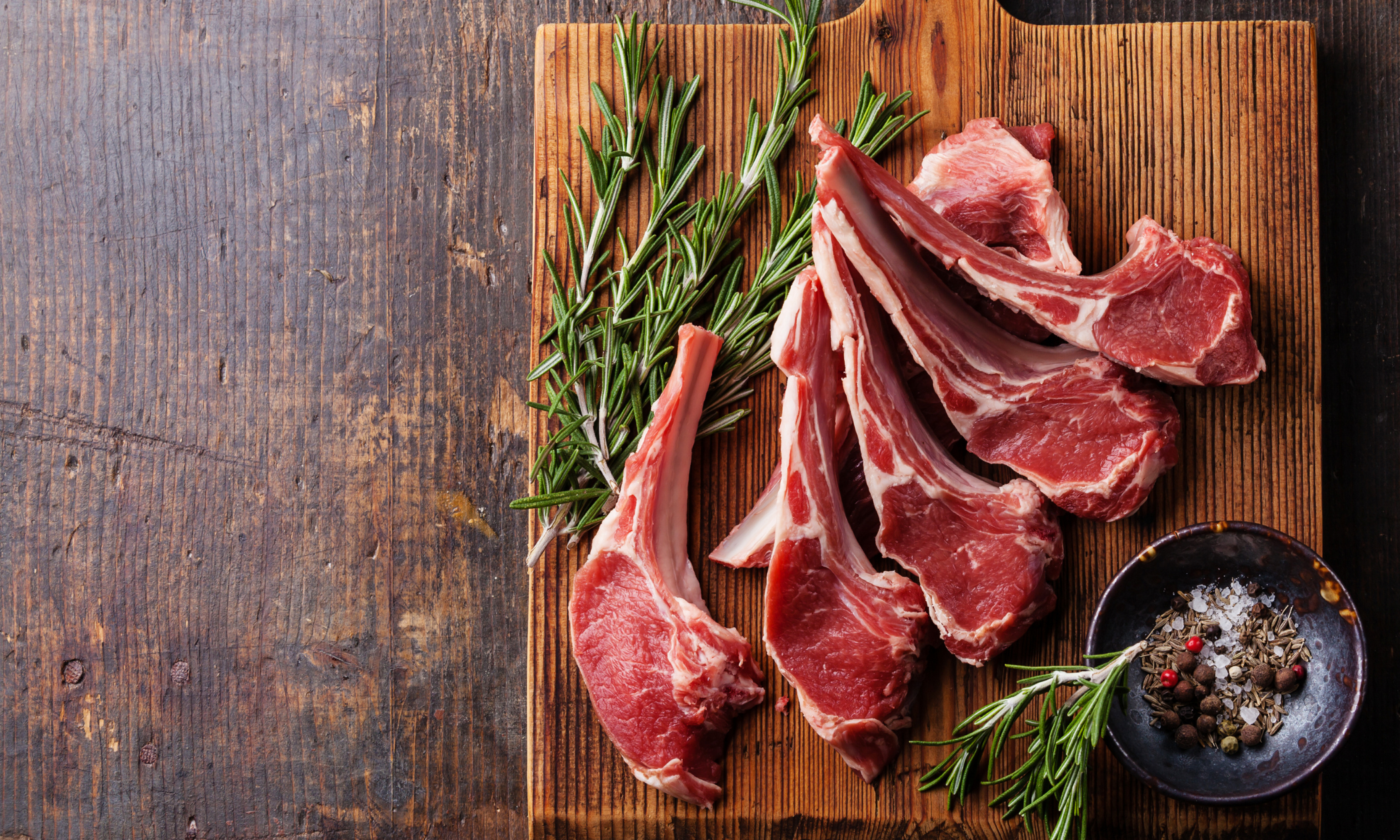
Shopping for food used to be way more complicated and take way longer in our household. Now, we order directly from local farmers and get our meat delivered to our door, and if we do go to the store for food, it is straight to the meat section. My shopping list is simple: meat, eggs, and butter. We also like to buy pure beef and lamb fat, which we fry and render to make cooking tallow. 

Cooking Doesn’t Take Forever 

Do you have any idea how long chopping vegetables takes? Cooking used to be way more time consuming when I wasn’t on an animal-based diet and was still trying to eat a lot of vegetables. 

Now, we just put some meat in the air fryer, put it on the braai (barbecue), pop it in the oven, or fry it all in one pan. There is minimal prep involved. The most amount of food prep I do is when I soak some organ meat like liver in vinegar before cooking. 

I Know I’m Getting the Most Nutrient-Dense Foods

Animal foods, especially organ meats and eggs, are the most nutrient-dense foods you can get. It’s also much easier for your body to absorb essential nutrients like protein and iron from animal foods. I like eating animal-based, because it gives me peace of mind that I am giving my body the best sources of nutrients and the best chance of getting everything out needs. 

Good luck finding pure vitamin A in plant foods. Your body has to convert the beta carotene in carrots, sweet potato, and butternut into a usable form of vitamin A, and you end up with a lot less vitamin A that your body can use than you thought. 

A lot of plant foods also contain antinutrients like phytates and oxalates that make it harder for your body to absorb other nutrients in these plant foods like magnesium and iron. There is nothing in my steak that is trying to make it hard for me to absorb the nutrients in it. 

I Don’t Have to Cut Out All Plant Foods

Being animal-based doesn’t mean you can’t eat any plant foods. It just means you base your diet around animal foods and supplement with plant foods if you want. They’re extra. I like eating fruit, but try to do so in moderation. 

I also eat dark chocolate on a daily basis. I just love it. 

I love being on an animal-based diet and now that my eyes are open, I will never go back. But that’s fine, because there’s freedom in an animal-based diet. I might do experiments with going full carnivore for periods of time in the future, but for the majority of the time, I think animal-based will do.
Animal-Based Diet Carnivore Diet
Shares
Written by

Joané Hart

Joané Hart is the founder of The Hart of Health. She has spent 16 years researching nutrition and wellness, writes about animal-based eating, natural beauty and everyday wellness, and co-hosts The Hart of Health podcast. She holds a BA from the University of Pretoria and a Copy Editing Certificate from the University of Cape Town. Her articles are general information, not medical advice.
Previous Post

I Had to Start Over With 75 HARD™ (Again)

Next Post

25 Ways to Sneak in More Exercise Into Your Days

About Us

The Hart of Health

The Hart of Health: animal-based nutrition, beauty, and wellness for real, specific seasons of life.

Social Icons
FacebookInstagramPinterestTwitterTikTokYouTube
Most Popular

Can You Build Muscle on the Carnivore Diet?

Can You Build Muscle on the Carnivore Diet? Can you build muscle on a carnivore diet? If you’ve done some research about building muscle, you’ve probably come across the advice that you should eat carbs to help you gain muscle. This advice is pretty mainstream. Bodybuilder diets are often low in fat and high in carbs because they believe the carbs will help them build muscle. Those who don’t have aspirations of becoming bodybuilders and just want to gain muscle to look good and become stronger also typically opt for more carbs. This popular muscle-building diet approach has lead to many fearing that if they go on a low-carb diet like the carnivore diet, they’ll struggle to gain muscle. If you want to try the carnivore diet but you’re worried it will interfere with your goals, then hopefully I can put your mind at ease. How Do You Build Muscle? First, it’s important to understand what is required for your body to build muscle. To build muscle, you need to: Do resistance training and focus on progressive overload, which is when you make exercises harder by doing things like lifting heavier weights, slowing down your tempo, adding reps, and adding sets. Eat enough protein (aim for 1g to 1.2g per pound of body weight) Eat enough calories during the day and aim for maintenance calories or higher. You’ll struggle to build muscle if you're in a calorie deficit. If you prioritize fatty meat on a carnivore diet, it shouldn't be too hard to reach your calorie goals. Prioritise sleep and recovery: proper rest is very important for building muscle and helping your muscles repair. Sleep helps you produce more human growth hormone, which plays an important role in muscle building and strength. Do You Need Carbs to Build Muscle? Many voices in the health and fitness community will tell you that, in order to build muscle, you need to eat enough protein and load up on carbs. The carbs fill your muscles with glycogen for you to use during your workout, and eating carbohydrates can help your performance in the gym. But you don't need to eat carbs to help you build muscle, as long as you consume enough electrolytes, eat enough fat, and provide your body with the calories it needs. When you first switch to a low-carb diet like the carnivore diet and the keto diet, your performance when working out will likely decline for a few weeks while your body adjusts and becomes fat adapted. This is because you lose quite a bit of stored glycogen and you’re body hasn’t switched over to using fat as its main energy source yet. But once you are fat adapted, your performance when training should improve and it will become easier to build muscle. Where will you get glycogen from? Well, your liver produces it. And if you consume more protein than your body needs, it will turn it into glucose through a process called gluconeogenesis. But if you want, you can have carbs on a carnivore diet. I know, I know, many people in the carnivore community don't approve of the consumption of honey and dairy products but these come from animals and can definitely be included in a carnivore diet. So if you want the power of carbs to fuel you for your workouts, why not just have some honey or raw milk? If you can't tolerate dairy (like me), then you can get all the carbs you need from honey. You can be strategic and have your carnivore carbs before you train to give you energy and then again after to help restore the glycogen in your muscles. How Can the Carnivore Diet Help You Build Muscle? So many people who are trying to build muscle don't eat enough protein. You need to eat enough protein so your body gets the amino acids it needs to build muscle. If you've never tracked how much protein you consume in a day, you might be shocked to discover that you're not close to your protein goal of 1g to 1,2g protein per pound of body weight. If you're on a carnivore diet, you can easily get to your daily protein goal. Before I started doing The Lion Diet in January for World Carnivore Month, I struggled to reach my protein goals, but then once I started doing the carnivore diet, it became incredibly easy to reach this goal. Meat also provides you with a lot of creatine. Many people who are trying to build muscle will supplement with creatine because creatine helps give muscles more energy. Your levels of phosphocreatine will increase when you consume creatine, which your body then uses to make adenosine triphosphate (ATP). Creatine is found in meat. You can skip the supplements if you're on the carnivore diet due to the fact that you eat so much meat. A carnivore diet promotes healthy testosterone levels. Testosterone is very important for muscle building. If you consume a lot of sugar at once, it can significantly lower your testosterone levels (link). If you don't consume enough fat, your testosterone levels also won't be optimal since you need fat and cholesterol to produce it. Following a low-carb, high-fat diet like The Carnivore Diet can boost your testosterone levels, which will aid muscle growth. (link) Animal foods like red meat are also great sources of zinc, which your body also needs to produce testosterone. On the carnivore diet, you won't experience blood sugar fluctuations like you would on a high-carb diet. Stable blood sugar levels means stable energy levels, which means you'll perform better during workouts and can train harder. Your chances of experiencing a mid-workout energy dip are much lower on a carnivore diet. The Carnivore vs Vegan Diet The carnivore diet is far superior than the vegan diet when it comes to building muscle. First of all, animal foods are higher in protein than plant sources of protein like beans, nuts, rice and lentils. But, here is the truth. There are 20 amino acids your body needs to build muscle and 9 of them cannot be produced by your body, so you need to get them from your food. Foods that contain all nine essential amino acids are called complete proteins. There are no plant proteins that meet this criteria. You need to combine different plant protein sources (like mixing rice with beans) to get all the essential amino acids. But, meat and other animal sources of protein like cheese, eggs and yoghurt, are complete proteins. There's no combining necessary. Plant foods are also harder to digest. You definitely won't get the most out of the protein you're getting from plants. Meat and eggs are two of the easiest foods for the body to digest and get protein from. If you're on a muscle-building journey, why not try the carnivore diet for a few months and see how it affects your progress. I think it's also a great idea to do it if you were gaining muscle but have now hit a plateau. The carnivore diet could be just what you need to start seeing progress again and build that muscle you're after.

Interview with Lady Carnivory: Health Coach and Carnivore Recipe Developer

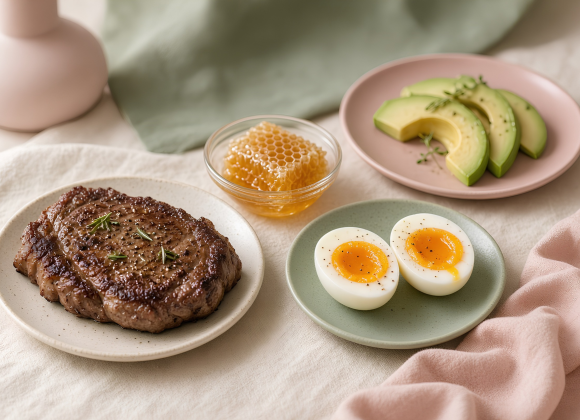
Seared steak medallions served on a white plate

Following a Carnivore-Ish Diet: What You Can Eat, the Benefits of an Animal-Based Diet, and More | The Hart of Health Podcast

Following a Carnivore-Ish Diet What You Can Eat, the Benefits of an Animal-Based Diet, and More The Hart of Health Podcast S1 E25
Categories
Animal-Based Nutrition
Natural Beauty
Body & Movement
Holistic Wellness
Featured Posts
Dream Body

29 Bad Diet Tips You Shouldn’t Follow 

May 2, 2022
Animal-Based Nutrition

The Antinutrients and Toxins in Plant Foods

April 25, 2022
Animal-Based Nutrition

Why Nuts Aren’t Healthy

April 18, 2022
Newsletter
Product categories
Animal-Based Diet Cycle Syncing Digital Products Fitness The Carnivore Diet Weight Loss
You might also like
The Antinutrients and Toxins in Plant Foods
Animal-Based Nutrition

The Antinutrients and Toxins in Plant Foods

4 Mins read
April 25, 2022

In short: Antinutrients are compounds in some plant foods that interfere with how you absorb other nutrients. This article covers six groups: oxalates (in foods like spinach and beetroot), phytates (grains, nuts and seeds), lectins, saponins (quinoa, oats and legumes), goitrogens and glucosinolates (cruciferous vegetables like broccoli and cauliflower) and tannins (coffee, tea and legumes). …

Why Nuts Aren’t Healthy
Animal-Based Nutrition

Why Nuts Aren’t Healthy

6 Mins read
April 18, 2022

In short: I no longer eat nuts, and this article explains why. Nuts contain antinutrients like oxalates, phytates and lectins, which can make minerals harder to absorb, and they’re high in linoleic acid, an omega-6 fat. After two months of daily stomach pain that went away when I cut out nuts, I stopped seeing them …

Counting Macros on an Animal-Based Diet
Animal-Based Nutrition

Counting Macros on an Animal-Based Diet

6 Mins read
April 4, 2022

In short: You don’t have to count macros on an animal-based diet, but it can help. Tracking lets you experiment with your protein-to-fat ratio, make sure you’re eating enough fat and keep fruit in check. Most people eating this way end up high in protein and fat, with carbs kept fairly low. Do macros still …

Copyright: The Hart of Health
The Hart of Health: animal-based nutrition, beauty, and wellness for real, specific seasons of life.
  • Terms of Service
  • Privacy Policy
  • Health Disclaimer
The Hart of Health: animal-based nutrition, beauty, and wellness for real, specific seasons of life.
  • Home
  • Articles
  • Podcast
    • Spotify
    • Apple Podcasts
    • iHeartRadio
    • Amazon
  • Shop
  • Beauty
  • eBooks
    • Carnivore Diet Beginner’s Guide
    • Animal-Based Diet Beginner’s Guide
  • Diet
  • Body
  • Wellness
  • About Us
About Us

The Hart of Health

The Hart of Health: animal-based nutrition, beauty, and wellness for real, specific seasons of life.

0