
• Home
  • Articles
  • Podcast
    • Spotify
    • Apple Podcasts
    • iHeartRadio
    • Amazon
  • Shop
  • eBooks
    • Carnivore Diet Beginner’s Guide
    • Animal-Based Diet Beginner’s Guide
  • About Us
0
Primal Wellness & Beauty
  • Home
  • Articles
  • Podcast
    • Spotify
    • Apple Podcasts
    • iHeartRadio
    • Amazon
  • Shop
  • eBooks
    • Carnivore Diet Beginner’s Guide
    • Animal-Based Diet Beginner’s Guide
  • About Us
Primal Wellness & Beauty
0
Primal Wellness & Beauty
Holistic Wellness

Why You Should Try a Cyclical Keto Diet for Optimal Health

Joané Hart
No Comments
April 9, 2019
5 Mins read
444 Views
Why You Should Try a Cyclical Keto Diet for Optimal Health

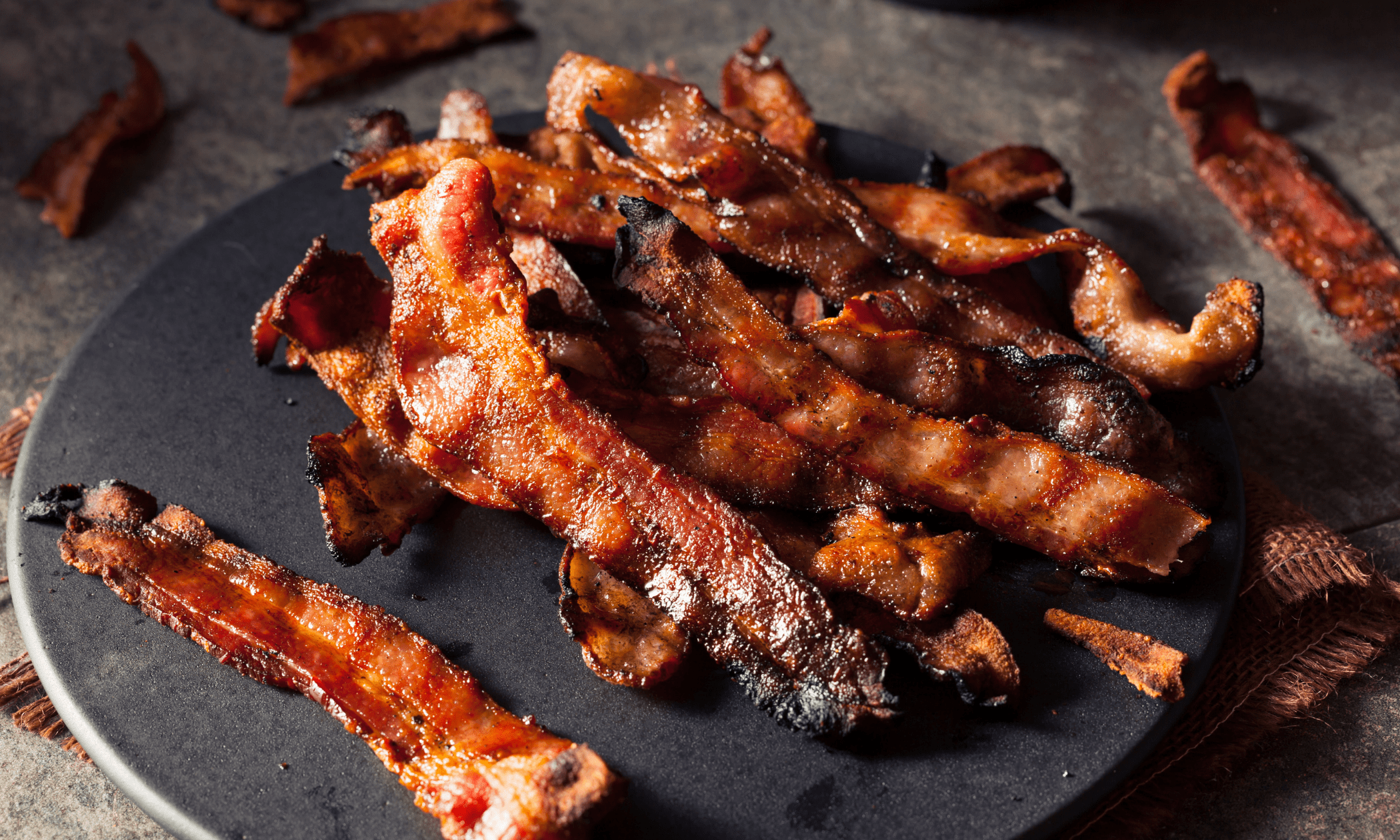
The ketogenic/low-carb, high-fat diet is a wonderful diet that most people should at least try once in their lifetime for optimal health, and seeing as it can be quite daunting, the cyclical keto diet might be the answer to those struggling to commit fully. The ketogenic diet is a low-carb, high-fat diet. It differs from the Atkins diet, because it is a moderate protein diet that allows you to consume more butter, cream, and bacon. The Atkins diet contains more protein and less fat.

Both these diets are good, but we have personally felt more benefit from the keto diet. The ketogenic diet has a lot of benefits for optimal health, which include:

  • Improved brain health thanks to the production of ketones, such as beta-hydroxybutyrate, as well as the production of brain-derived neurotrophic factor (BDNF), which aids nerve growth and optimal brain health.
  • Becoming fat-adapted, as by eating more fat, you train your body to burn fat for energy instead of glucose. Being able to rely on both fat and glucose for energy brings you closer to optimal health.
  • Fat loss, thanks to the body becoming fat-adapted, and the reduction of insulin levels. Insulin is elevated by sugar and carbohydrates that are turned into glucose in the body. When insulin is elevated, it stimulates fat gain and prevents fat loss.

Except for cases where people have conditions like epilepsy or they get seizures, I wouldn’t recommend following a ketogenic diet permanently, but rather taking a cycling approach. This diet mimics the fasting state, so if you are eating ketogenic all the time, especially if your diet consists of 90% fat or more, your body will think that you are starving all the time and that you are bad at finding food. This is not exactly the picture of optimal health.

Our ancestors went through periods where they could eat more carbohydrates because indigenous fruits and vegetables were in season, and they also went through periods where food was scarcer, and they fasted and ate low-carb diets. Some days, they may have only had meat to eat. The point is that they didn’t follow a low-carb, high-fat diet completely.

There is a part of the brain that does require glucose, and by following a cyclical ketogenic diet, you can experience the benefits of following a ketogenic diet, while also being able to enjoy carbohydrates at times in your life.

When you follow a cyclical ketogenic diet, you alter between following a low-carb, high-fat diet, and adding carbohydrates and eating less fat. Personally, I love cycling between a keto diet and a Mediterranean-type diet.

You can decide how you want to incorporate a cyclical keto diet into your lifestyle. There are a few options you can look at when trying to decide how to follow a cyclical ketogenic diet for optimal health, which include:

  • Following a low-carb, high-fat diet during the day and adding carbohydrates to your meal at dinner. Eating carbs before bed will help the amino acid, tryptophan, get to your brain. Tryptophan is an amino acid that your body uses to make serotonin, which calms you down and makes it easier to fall asleep. When you eat carbohydrates, it helps tryptophan reach your brain, which promotes sleep and optimal mental health.
  • Only eating carbohydrates after working out for optimal muscle growth. When you exercise, you deplete your glycogen stores in your muscles. Eating carbs after exercising, especially when using multiple muscle groups, will help to replenish the glycogen stores. Most of the glucose will be used towards repairing your muscles and get you closer toward optimal health.
  • Eating a low-carb, high-fat diet during the week and allowing carbohydrates on the weekend. This is a more socially friendly approach, and allows you to be more flexible when eating out or at a party.
  • Eating carbohydrates in the morning, and then being low-carb from lunchtime. This is a good approach for people who love their breakfast carbs and want to lose weight. Eating carbohydrates in the morning means that you will have time during the day to burn it off.
  • Doing the low-carb, high-fat diet for a few months, and then switching to a diet that includes carbohydrates for a few months. If you are an athlete, you can follow a low-carb, high-fat diet in the off season, and then eat carbohydrates when training a lot again. 
  • You can also reserve carbohydrates for days where you work out harder. A gentle yoga session might not be strenuous enough for your body to deplete its glycogen stores enough, but if you do something that works up a sweat, then you can have carbs on those days, and limit your carbohydrates on days where you don’t work out or do light exercise.

For most people, eliminating carbohydrates completely is rather unrealistic, but following a cyclical ketogenic diet approach allows you to get most of the benefits of a low-carb, high-fat diet, while also being able to eat carbohydrates. Cyclical eating is the closest you will get to the best of both worlds in terms of diet.

A cyclical ketogenic diet also reduces the chances of developing nutrient deficiencies, as it allows you to have more variety in your diet. The more varied your diet is, the more nutrients you will consume, and the better your chances will be of obtaining optimal health.

One great benefit of following a cyclical ketogenic diet is that you are training your body to be able to burn both fat and glucose efficiently. If you are an athlete, for example, then this will help you greatly during a race or an event.

Your body can use the available glucose in your system, and burn your fat more easily when you run out. You will become tired a lot later than the athlete whose body purely relies on glucose.

Being able to rely on both sources of fuel thanks to a cyclical keto diet also helps with mental challenges. Your brain loves using glucose as fuel, but also gets quite a boost from ketone bodies, such as beta-hydroxybutyrate, which can improve mental sharpness. Your brain will be able to have a source of energy when you run out of glucose if you are fat-adapted.

Perhaps you have been wanting to try a keto diet, but do not know if you can give up carbs forever, or perhaps you have been keto for a while, and can’t help but miss carbs. A cyclical keto diet might be the answer. It could help you have a more balanced diet, and even remain mentally sane.

Shares
Write Comment
Leave a Reply

Your email address will not be published. Required fields are marked *

Next Post

Keto or Not, Why Everyone Should Go on a Low-Sugar Diet

About Us

The Hart of Health

Primal Wellness & Beauty

The Hart of Health is where the primal becomes refined — a modern expression of ancestral living guided by nature and informed by science. We believe true wellness is a return to the essentials: nourishment, sunlight, movement, and ritual. Here, vitality is an art form, beauty is intelligence, and health defines modern luxury.

Social Icons
FacebookInstagramPinterestTwitterTikTokYouTube
Most Popular

Can You Build Muscle on the Carnivore Diet?

Can You Build Muscle on the Carnivore Diet? Can you build muscle on a carnivore diet? If you’ve done some research about building muscle, you’ve probably come across the advice that you should eat carbs to help you gain muscle. This advice is pretty mainstream. Bodybuilder diets are often low in fat and high in carbs because they believe the carbs will help them build muscle. Those who don’t have aspirations of becoming bodybuilders and just want to gain muscle to look good and become stronger also typically opt for more carbs. This popular muscle-building diet approach has lead to many fearing that if they go on a low-carb diet like the carnivore diet, they’ll struggle to gain muscle. If you want to try the carnivore diet but you’re worried it will interfere with your goals, then hopefully I can put your mind at ease. How Do You Build Muscle? First, it’s important to understand what is required for your body to build muscle. To build muscle, you need to: Do resistance training and focus on progressive overload, which is when you make exercises harder by doing things like lifting heavier weights, slowing down your tempo, adding reps, and adding sets. Eat enough protein (aim for 1g to 1.2g per pound of body weight) Eat enough calories during the day and aim for maintenance calories or higher. You’ll struggle to build muscle if you're in a calorie deficit. If you prioritize fatty meat on a carnivore diet, it shouldn't be too hard to reach your calorie goals. Prioritise sleep and recovery: proper rest is very important for building muscle and helping your muscles repair. Sleep helps you produce more human growth hormone, which plays an important role in muscle building and strength. Do You Need Carbs to Build Muscle? Many voices in the health and fitness community will tell you that, in order to build muscle, you need to eat enough protein and load up on carbs. The carbs fill your muscles with glycogen for you to use during your workout, and eating carbohydrates can help your performance in the gym. But you don't need to eat carbs to help you build muscle, as long as you consume enough electrolytes, eat enough fat, and provide your body with the calories it needs. When you first switch to a low-carb diet like the carnivore diet and the keto diet, your performance when working out will likely decline for a few weeks while your body adjusts and becomes fat adapted. This is because you lose quite a bit of stored glycogen and you’re body hasn’t switched over to using fat as its main energy source yet. But once you are fat adapted, your performance when training should improve and it will become easier to build muscle. Where will you get glycogen from? Well, your liver produces it. And if you consume more protein than your body needs, it will turn it into glucose through a process called gluconeogenesis. But if you want, you can have carbs on a carnivore diet. I know, I know, many people in the carnivore community don't approve of the consumption of honey and dairy products but these come from animals and can definitely be included in a carnivore diet. So if you want the power of carbs to fuel you for your workouts, why not just have some honey or raw milk? If you can't tolerate dairy (like me), then you can get all the carbs you need from honey. You can be strategic and have your carnivore carbs before you train to give you energy and then again after to help restore the glycogen in your muscles. How Can the Carnivore Diet Help You Build Muscle? So many people who are trying to build muscle don't eat enough protein. You need to eat enough protein so your body gets the amino acids it needs to build muscle. If you've never tracked how much protein you consume in a day, you might be shocked to discover that you're not close to your protein goal of 1g to 1,2g protein per pound of body weight. If you're on a carnivore diet, you can easily get to your daily protein goal. Before I started doing The Lion Diet in January for World Carnivore Month, I struggled to reach my protein goals, but then once I started doing the carnivore diet, it became incredibly easy to reach this goal. Meat also provides you with a lot of creatine. Many people who are trying to build muscle will supplement with creatine because creatine helps give muscles more energy. Your levels of phosphocreatine will increase when you consume creatine, which your body then uses to make adenosine triphosphate (ATP). Creatine is found in meat. You can skip the supplements if you're on the carnivore diet due to the fact that you eat so much meat. A carnivore diet promotes healthy testosterone levels. Testosterone is very important for muscle building. If you consume a lot of sugar at once, it can significantly lower your testosterone levels (link). If you don't consume enough fat, your testosterone levels also won't be optimal since you need fat and cholesterol to produce it. Following a low-carb, high-fat diet like The Carnivore Diet can boost your testosterone levels, which will aid muscle growth. (link) Animal foods like red meat are also great sources of zinc, which your body also needs to produce testosterone. On the carnivore diet, you won't experience blood sugar fluctuations like you would on a high-carb diet. Stable blood sugar levels means stable energy levels, which means you'll perform better during workouts and can train harder. Your chances of experiencing a mid-workout energy dip are much lower on a carnivore diet. The Carnivore vs Vegan Diet The carnivore diet is far superior than the vegan diet when it comes to building muscle. First of all, animal foods are higher in protein than plant sources of protein like beans, nuts, rice and lentils. But, here is the truth. There are 20 amino acids your body needs to build muscle and 9 of them cannot be produced by your body, so you need to get them from your food. Foods that contain all nine essential amino acids are called complete proteins. There are no plant proteins that meet this criteria. You need to combine different plant protein sources (like mixing rice with beans) to get all the essential amino acids. But, meat and other animal sources of protein like cheese, eggs and yoghurt, are complete proteins. There's no combining necessary. Plant foods are also harder to digest. You definitely won't get the most out of the protein you're getting from plants. Meat and eggs are two of the easiest foods for the body to digest and get protein from. If you're on a muscle-building journey, why not try the carnivore diet for a few months and see how it affects your progress. I think it's also a great idea to do it if you were gaining muscle but have now hit a plateau. The carnivore diet could be just what you need to start seeing progress again and build that muscle you're after.

Interview with Lady Carnivory: Health Coach and Carnivore Recipe Developer

Rapid Weight Loss Carnivore Diet: Benefits for Women

Generated Image September 26, 2025 - 10_19AM
Categories
Animal-Based Nutrition
Natural Beauty
Body & Movement
Holistic Wellness
Featured Posts
Animal-Based Nutrition

Does Dairy Cause Inflammation? How to Tell If It’s Stalling Your Weight Loss

March 5, 2026
Dream Body Holistic Wellness

PCOS Weight Loss: Why It Feels Harder and What Actually Works

March 4, 2026
Dream Body Holistic Wellness

Inflammation and Weight Gain: The Hidden Reason Fat Loss Stalls

March 4, 2026
Newsletter
Product categories
Animal-Based Diet Cycle Syncing Digital Products Fitness The Carnivore Diet Weight Loss
You might also like
Generated Image September 26, 2025 - 1_43PM
Dream Body Holistic Wellness

PCOS Weight Loss: Why It Feels Harder and What Actually Works

2 Mins read
March 4, 2026

TL;DR: PCOS weight loss is more challenging due to insulin resistance, inflammation, and hormonal imbalance. Stabilizing blood sugar, lowering stress, and reducing inflammatory triggers are key to sustainable fat loss. Why PCOS Weight Loss Feels Different PCOS weight loss is not simply about calories. Many women with PCOS eat less. Exercise more. Track consistently. And …

Generated Image September 25, 2025 - 6_04PM
Dream Body Holistic Wellness

Inflammation and Weight Gain: The Hidden Reason Fat Loss Stalls

3 Mins read
March 4, 2026

TL;DR: Inflammation and weight gain are closely linked. Chronic low-grade inflammation increases insulin resistance, elevates cortisol, causes water retention, and makes fat loss more difficult. Reducing inflammatory triggers can unlock sustainable progress. Inflammation and Weight Gain: What’s Really Happening The connection between inflammation and weight gain is often invisible. You may feel puffy. Your rings …

Generated Image September 26, 2025 - 2_32PM
Dream Body Holistic Wellness

Cortisol and Weight Gain: How Stress Hormones Block Fat Loss

3 Mins read
March 4, 2026

TL;DR: Cortisol and weight gain are closely linked. Chronic stress elevates cortisol, increases blood sugar, worsens insulin resistance, and encourages abdominal fat storage. Lowering stress is often the missing piece in sustainable fat loss. Cortisol and Weight Gain: The Stress Connection The relationship between cortisol and weight gain is often misunderstood. Cortisol is not a …

Copyright: The Hart of Health: Primal Wellness & Beauty
Primal Wellness & Beauty
  • Terms of Service
  • Privacy Policy
Primal Wellness & Beauty
  • Home
  • Articles
  • Podcast
    • Spotify
    • Apple Podcasts
    • iHeartRadio
    • Amazon
  • Shop
  • eBooks
    • Carnivore Diet Beginner’s Guide
    • Animal-Based Diet Beginner’s Guide
  • About Us
About Us

The Hart of Health

Primal Wellness & Beauty

The Hart of Health is where the primal becomes refined — a modern expression of ancestral living guided by nature and informed by science. We believe true wellness is a return to the essentials: nourishment, sunlight, movement, and ritual. Here, vitality is an art form, beauty is intelligence, and health defines modern luxury.

0